
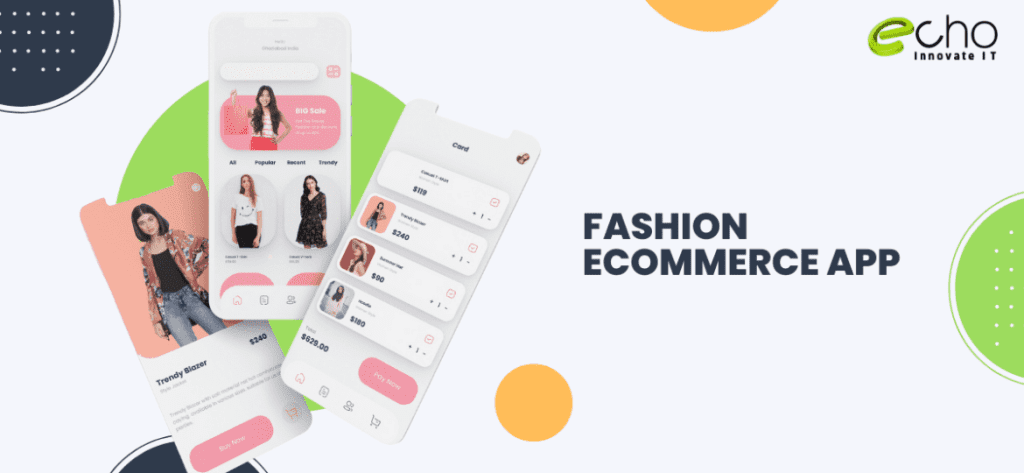
Fashion eCommerce market is booming—driven by technological advances, fashion-forward consumers, and the rise of mobile shopping. Brands that invest in custom fashion mobile apps on Android and iOS platforms, as well as Progressive Web Apps, are capturing higher conversion rates, boosting engagement, and reducing cart abandonment. Mobile-first experiences with AI personalization, AR try-ons, and seamless checkout flows are now essential competitive advantages.
Why Fashion Brands Need Mobile Apps Now
8 min read · Last updated: May 2026
Fashion isn’t just about clothes—it’s a lifestyle statement. With over 70% of all fashion sales now attributed to mobile channels, offering a dedicated app transforms user experience. Fashion mobile apps reduce friction with fast loading, optimized filtering, personalized push notifications, and exclusive content. They help brands build loyalty, increase average order value, and engage users beyond basic web storefronts.
Trends Shaping Fashion eCommerce Mobile Apps
AI-Powered Personalization: Real-time product recommendations, size suggestions, and curated collections based on user behavior.
Augmented Reality (AR) Try‑Ons: Virtual fitting rooms and product previews enhance confidence and cut down returns.
Social Commerce Integration: Video content and user-generated lifestyle feeds, blending shopping and entertainment.
Sustainable and Circular Fashion: Apps support resale, rent-or-buy models, and transparent ethical sourcing—favored by eco-conscious consumers.
Voice Commerce and Chatbots: Conversational AI enables hands-free search, style recommendations, and mobile customer support.
Key Features to Include in Your Fashion eCommerce App
Onboarding & Profile Setup: Tailored style quizzes and user preferences to personalize shopping experience.
Catalog & Smart Search: Fast navigation, voice-enabled search, filters, AI-driven sorting, and image search.
AR Product Visualization: Try-on features for items like jewelry, eyewear, or apparel.
Personalized Recommendations: AI engines suggest products based on browsing history and preferences.
Seamless Checkout & Multiple Payment Options: One-tap checkout, digital wallets, and multi-currency pricing with support for Buy Now Pay Later (BNPL).
Push Notifications & In-App Offers: Alerts for new collections, restocks, and exclusive sales.
User Reviews, Ratings & Social Proof: Integrated UGC to build trust and transparency.
Loyalty & Reward Programs: In-app points, challenges, or referral discounts to drive repeat behavior.
Analytics Dashboard: Mobile insights for user behavior, conversion trends, and performance metrics.
Estimated Development Costs
| App Complexity | Investment level |
|---|---|
| Basic Fashion App (MVP) | Entry-level |
| Mid-Level App with AI Features | Mid-range |
| Advanced App with AR, Social Commerce | Enterprise-scale |
Development time typically ranges from 16 to 24 weeks depending on complexity, integrations, and platform coverage.
Best Practices for Fashion App Success
Prioritize mobile-first UI/UX to ensure fast, intuitive experiences on Android and iOS.
Use cross-platform frameworks like Flutter or React Native to optimize cost and consistency.
Ensure AR and AI personalization features are seamless and performant.
Embed strong data privacy and security measures to maintain user trust and regulatory compliance.
Integrate with social elements—lifestyle feeds, influencer content, and shoppable videos.
Support omnichannel shopping by including offline pick-up, easy returns, and loyalty syncing.
Indeed, fashion isn’t just about the dress—it’s an instant language, a bold idea, and a reflection of how we live. The fashion industry is expanding rapidly, inspiring entrepreneurs and fashionistas to connect with style-savvy audiences through innovative fashion eCommerce app development and immersive fashion mobile app development experiences.
With the rise of digitization and a surge in mobile usage, fashion has evolved into one of the most dominant sectors on digital platforms. From web applications and web apps to sophisticated mobile applications, the industry now thrives on cloud-based solutions and seamless user experience.
The shift to digital has created new demand for fashion app development services tailored for both iOS and Android operating systems. Whether it’s a native app offering premium user interface design or a cross-platform development strategy using a single codebase, brands are investing in scalable software development to stay competitive. Developers now leverage advanced development environments to create robust eCommerce mobile app development solutions that cater to modern consumers on various mobile devices and the mobile web.
Apps like those found on the App Store and Google Play offer unmatched convenience. People are increasingly embracing fashion eCommerce mobile apps for their ease and efficiency, and developers are thrilled by the skyrocketing popularity of fashion app development solutions—especially in a post-pandemic world.
How Can Fashion Mobile App Development Be Beneficial?
User-centric search engine development
Make account creation simple and straightforward. Consider allowing registration through social media platforms such as Facebook and Google or by phone number. At this time, it is crucial to both educate clients about their new account and initiate brand loyalty with this new product.
Higher visibility
Higher visibility Fashion companies develop brand recognition by letting clients see the latest collection and buy their items. Customers may see catalogs on their fashion eCommerce app.
Creating notifications
Alerts are additional components of fashion eCommerce app development. Pop-ups on a mobile phone’s home screen announcing a sale or a particular item will naturally keep the consumers’ attention and boost the odds of them opening the app and exploring the brand’s collection. Related: mobile app development.
Uncomplicated Worldwide
Fashion houses today consider the world their audience and territory. Apps and global shipping firms help achieve this goal. If a product interests you but isn’t accessible in your nation, you don’t have to fly overseas or ask a cousin or friend to bring it back.
Sale growth
The more a product is seen, the more likely it is to sell. Major brands and small merchants employ item churning. This is the only way they can maintain a stable cash flow and earn profits. By targeting the correct individuals, brands may earn a lot of money.
Monetization Strategies For A Fashion App Development
With a fashion ecommerce app, a business owner may generate income from several sources, therefore dramatically boosting their earnings. Let’s examine the app’s numerous monetization tactics.
Delivery fees:
In exchange for doorstep delivery, consumers pay a predetermined delivery fee to the platform owner.
In-app advertisements:
They are an excellent option to explore when developing apps for boutique stores. By displaying banner ads from third parties on their websites, business owners may receive revenue depending on clicks, impressions, etc.
Commission fees:
With the marketplace model, businesses may generate a steady income in the form of commissions. As commissions, both consumers and sellers pay a specified amount.
Subscriptions:
The app owner might release a premium edition of the app for which users pay a monthly or annual membership fee to have access to attractive features in fashion app. Related: cross-platform app development.
Benefits Of Fashion ECommerce Apps For The Brands
Analytics
An app downloader or user can highlight the potential as brand applications may acquire user information when they register and search for garments and accessories. Now companies can identify clients’ likes and interests and propose relevant goods.
Target audience
E-commerce Application offers a brand owner the right to develop demographics, so they can swiftly target their clients depending on age, state, and gender.
Marketing and distribution
Now that a corporation knows everything about its clients, it may propose new goods that meet their search criteria. No client will be assaulted with uninteresting ads after this.
Reviews
People’s views and decisions make them unique in this social sphere. Fashion apps are constantly open to client input since it helps them serve and delight shoppers. Buyers always have assistance.
Reduced Competition
Since your app just presents your brand’s merchandise, clients are less distracted. This will boost brand sales and gain loyal consumers.
Best Fashion Apps By Brands
Zara
This app makes shopping at Zara stores and online much easier. Top search bar simplifies browsing. You may also scan a product in the shop or search your size to see if it’s nearby.
Gap
Over 50-year-old firm catches up with its clients on a mobile app, allowing them to browse luxurious eCommerce designs on the move. Gap’s mobile app promotions and coupons make online purchasing quicker and faster and boost consumer loyalty. Related: hire cross-platform developers.
Levi Strauss & Co.
Levi Strauss & Co.: The oldest blue jeans company offers a mobile app for exclusive designs and collections. It offers unique items and new partnerships. Levi’s boosts brand experience with tailored stories, offers, and ideas.
Cost To Develop An Fashion Mobile App
If a consumer isn’t sure what to purchase with a product, he may ask for advice. All fashion applications should hire fashion advisors to answer customer questions.
Wireframe
First, the wireframe must be executed. It is the visual architecture that determines the layout of an application, including its physical composition, page order, etc.
Design Cost
Users are more likely to use applications with attractive designs. Hence, this element of eCommerce app development must get enough support in order to boost use.
Number of people involved
The cost of app development must be based on the number of coders involved.
On average, the overall fashion app development cost depends on scope, features, and region. The cost of app development is mostly determined by the adaptability of its design, the degree of development complexity, and the kind of application.
Conclusion
Fashion eCommerce apps have increased quickly, as has the time spent in them. After seeing market expansion, more developers want to create similar applications. Elevate your fashion eCommerce customer experience by partnering with Echoinnovate IT’s dedicated app developers, to make your project successful. Related: custom software development.
What is a fashion application?
A fashion app is an application that provides users with fashion-related information and access to fashion-related services or sells fashion-related goods, such as clothing.
Is it possible to make money with fashion apps?
The most profitable fashion applications are very lucrative. Not only can they assist companies but generate revenue by providing the newest fashion trends, but they also increase customer retention.
Why is Echoinnovate IT the best mobile app development company for fashion?
Partner with Echoinnovative IT for the ideal e-commerce app development project to expedite the expansion of your e-commerce firm. As a fashion e mobile application development company, we have an experienced and devoted team of developers and business strategists, a design and technology team, a development team, and a test team, all of whom are working around your project to creatively handle any unforeseen issues.
What makes a fashion eCommerce mobile app critical in 2025?
Mobile apps deliver faster performance, personalized styling, and higher conversion rates than mobile websites alone.
What are the most important features in a fashion mobile app?
AI product recommendations, AR try-ons, seamless checkout, push notifications, and loyalty programs.
Should a fashion app be native or cross-platform?
Cross-platform frameworks offer faster development and consistency; native is ideal for high-performance AR or platform-specific features.
How does AI improve shopping experience in fashion apps?
By offering size suggestions, personalized collections, predictive styling, and smarter inventory sorting.
Frequently Asked Questions
A basic fashion ecommerce app (browse, cart, checkout, basic personalization) for iOS, Android, and backend is an entry-level build. A full Shein/Zara-class app with AI personalization, AR try-on, social sharing, and live commerce is a substantially larger, enterprise-scale investment. Adding AR try-on (Modiface, Banuba SDK integration) increases the budget meaningfully depending on category complexity.
Essentials: (1) Excellent product photography + zoom, (2) Smart filtering + size finder, (3) AI personalized recommendations, (4) Frictionless checkout (Apple Pay, Google Pay, BNPL), (5) Easy returns flow, (6) UGC reviews with photos. Advanced (2026 standards): AR try-on, visual search, social commerce, live shopping, sustainability transparency, AI styling assistant.
Selectively. Fast fashion (Shein, Temu) is profitable at scale via aggressive sourcing and viral marketing. Niche fashion (specific aesthetics, sustainability, second-hand resale) can be profitable for smaller brands. Premium DTC faces challenges as customer acquisition costs have risen sharply post-iOS 14. Most successful 2026 launches have either extreme price advantage (Shein) or strong brand differentiation (sustainability, niche aesthetic, regional focus).
For categories where it works: yes. AR try-on excels for: shoes, glasses, jewelry, lipstick, eye shadow, watches, hats. AR for clothing (shirts, dresses) is technically harder and accuracy is still mediocre. Brands report return rates dropping 20-40% with effective AR. The technology cost has come down — Modiface and Banuba SDK integrations are a moderate add-on, paying back quickly through reduced returns.
Best practices: (1) Size conversion charts displayed prominently. (2) Brand-specific size guides (since Shein’s size 8 is not the same as Zara’s size 8). (3) AI fit predictions based on user’s past purchases (“based on your previous Zara size 8 purchases, you’ll likely wear this in size M”). (4) Customer photos from previous buyers showing fit. (5) Free returns as a safety net. Sizing is the #1 reason for returns and the biggest cost center for fashion ecommerce.
Build Your eCommerce Platform
Want to launch an Amazon/Temu/Shopify-style commerce app? We deliver mobile-first storefronts with payment gateways, inventory, and personalization.
