Results
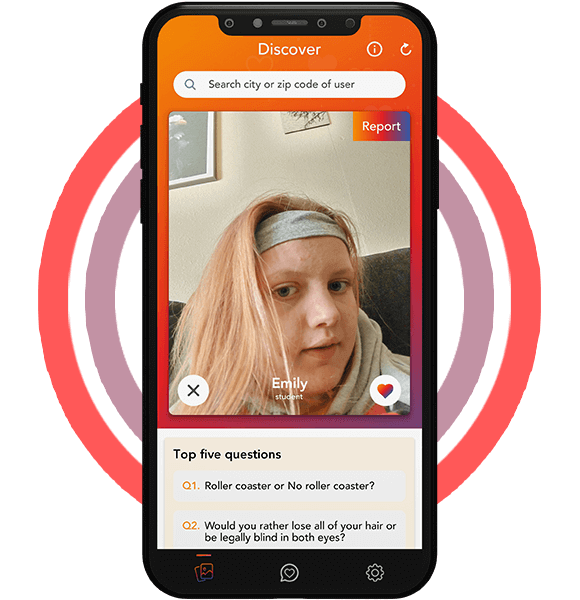
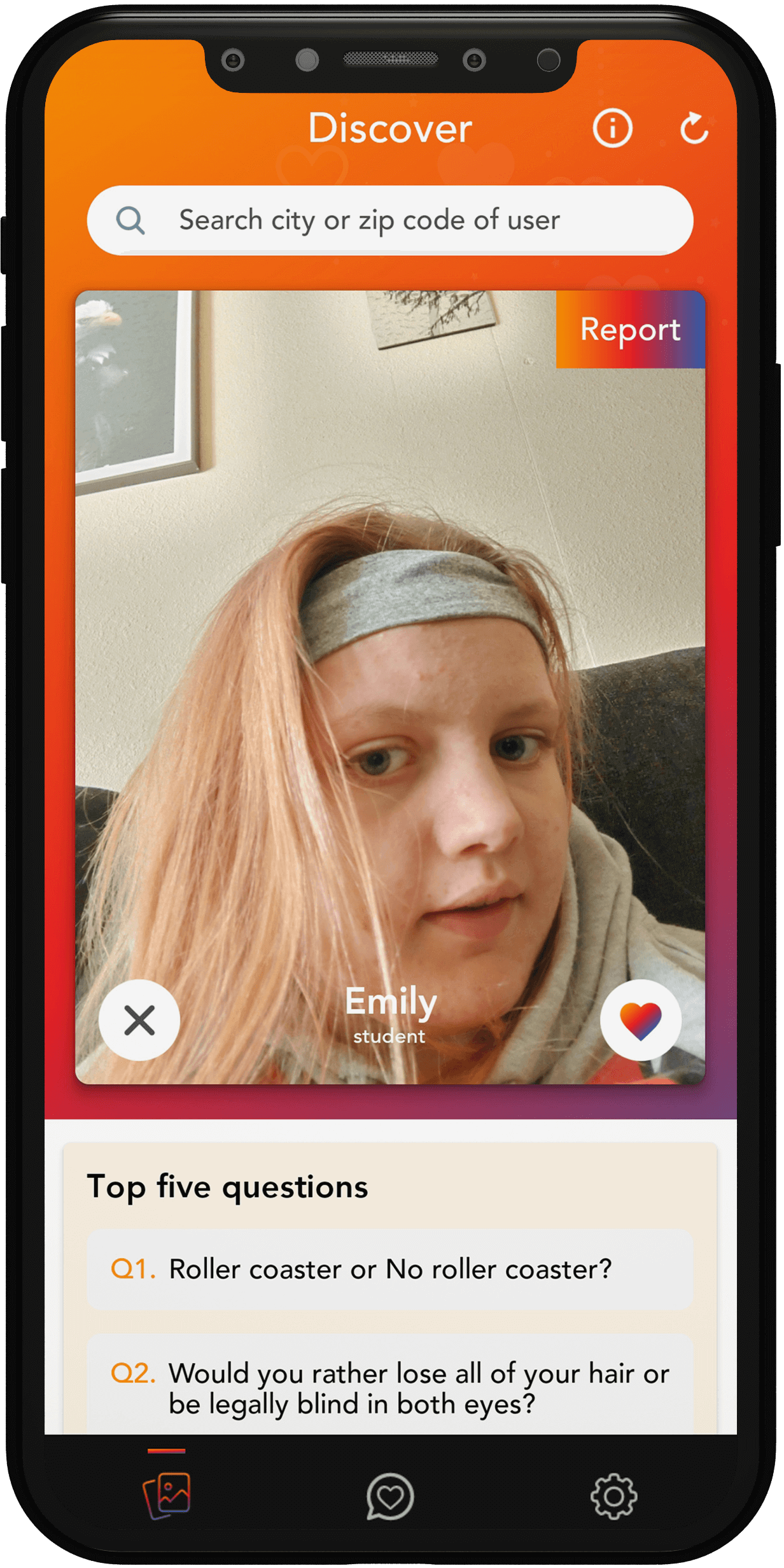
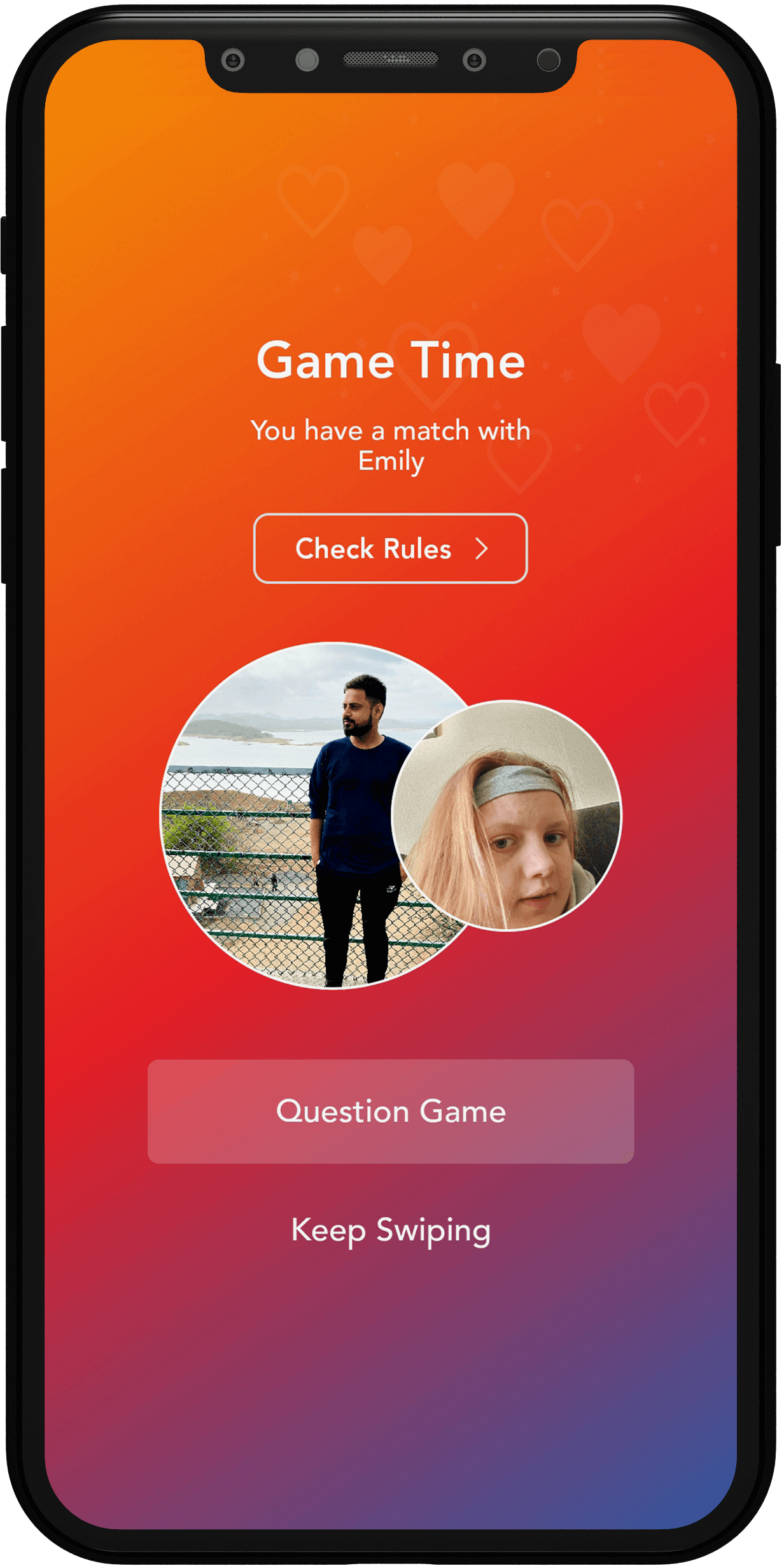
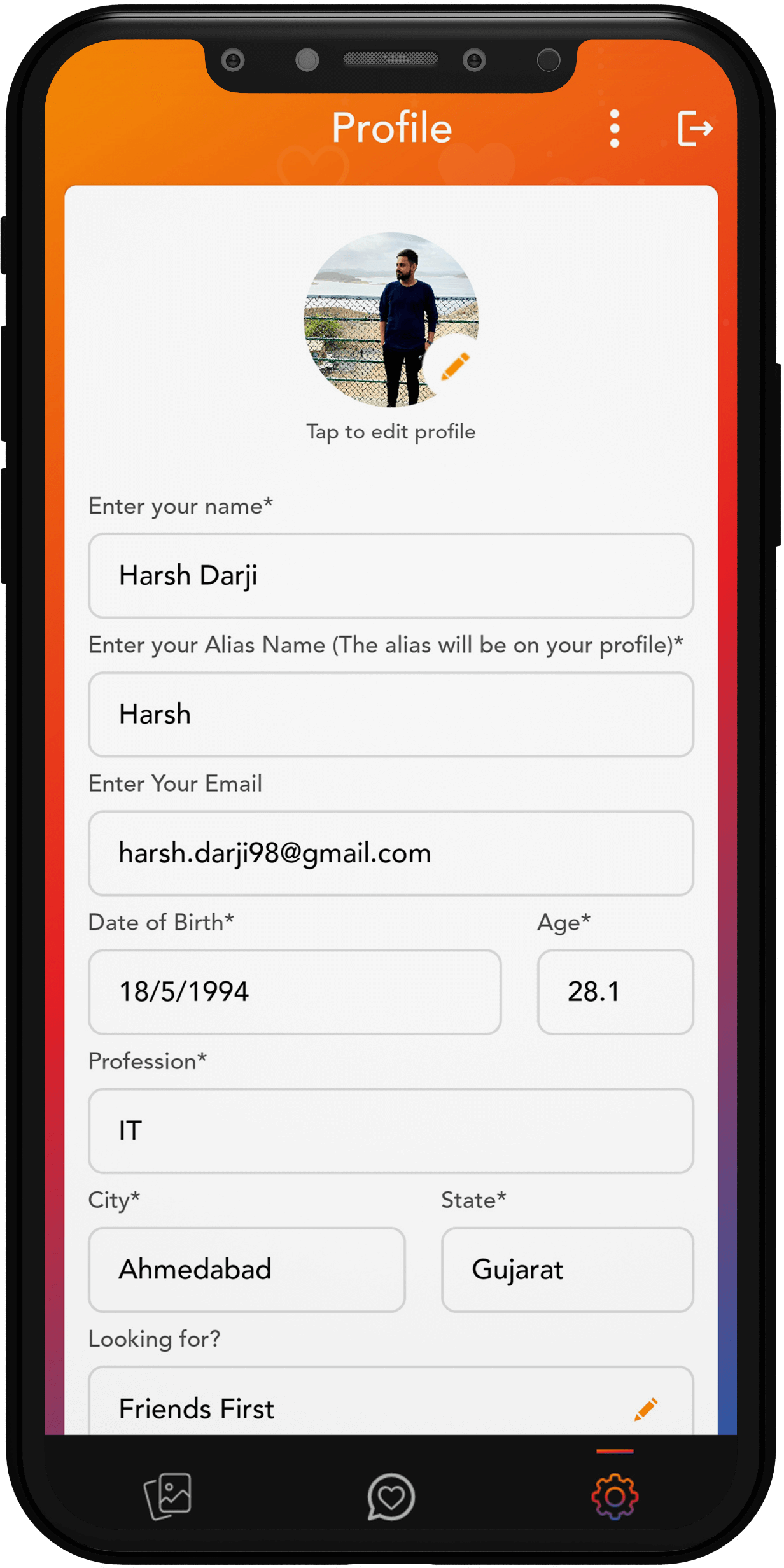
Why wait to ask the right question? This app is really helpful for the users to not waste their time by meeting people and then deciding.
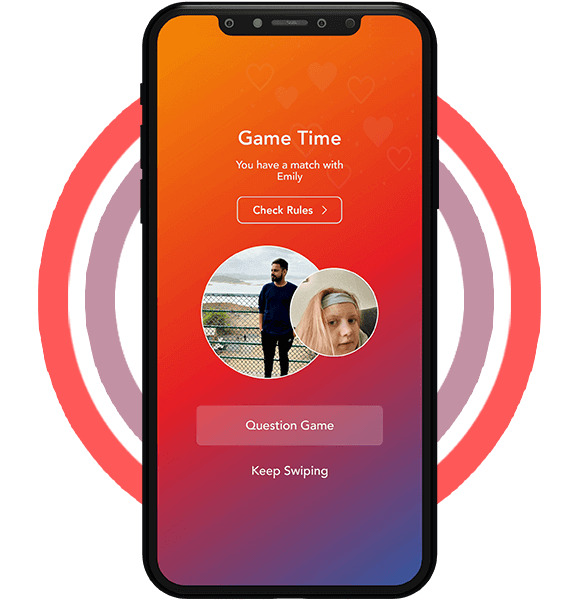
The USP of this app is to ask questions on the basis of which one can decide if they can go further to date this person or not.
What people expect from a dating app
Dating products compete on trust and on how quickly a user finds someone worth talking to. If the first few days bring fake profiles or poor matches, most people uninstall and rarely return.
That is why apps in this category put so much effort into onboarding, matching logic and safety. A playful twist, such as a question game, only works when those basics are solid underneath it.
Features most dating apps need
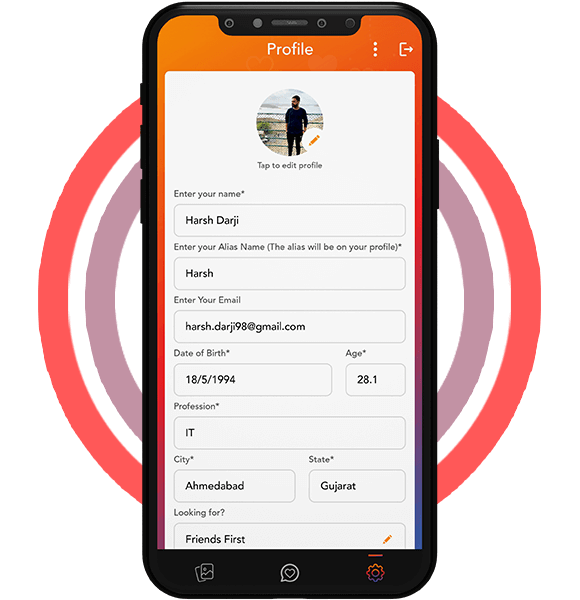
- Guided sign-up with photo upload, interests and preferences, kept short enough that people actually finish it.
- Profile verification, for example a selfie check, so members can trust that the person on screen is real.
- Preference-based matching that weighs distance, age range, interests and stated relationship goals.
- Swipe or like flows with clear undo and limits, so browsing feels quick without becoming careless.
- Icebreakers or prompts that give two strangers something easy to talk about after a match.
- In-app chat with read states, photo sharing controls and the option to unmatch at any time.
- Block, report and moderation tools, backed by an admin panel where reports are reviewed quickly.
- Push notifications for new matches and messages, with settings so users can quiet them.
- Subscription or premium features handled through the app stores’ own billing rules.
Matching, safety and privacy
Matching usually starts simple: filters plus a score built from shared interests and activity. As the member base grows, teams add signals such as who replies to whom, but they keep the logic explainable.
Safety is not optional in this category. Photo moderation, rate limits on messages, clear reporting and quick bans protect members and the brand, and the app stores review these controls before approval.
Dating data is sensitive. Precise location should be rounded, profile fields such as religion or orientation should be optional, and members need a simple way to download or delete everything they shared.
Build considerations for iOS and Android
Most dating apps launch on iOS and Android together, since members expect to match with people on either platform. Native code or a cross-platform framework both work; the choice depends on budget and animation needs.
Real-time chat and live game turns need a backend built for many short messages. WebSockets or a managed real-time service, plus a queue for notifications, keep conversations responsive at busy hours.
Store review deserves its own slot in the plan. Age gating, content rules, privacy labels and in-app purchase setup all need to be ready before submission, or the release can stall.
Designing game-style interactions
Games inside a dating app work best when the rules fit on one screen. A short tutorial, a visible score and a clear goal help both people understand what happens next.
Turn-based features need fair timers and gentle reminders. Without them, one slow player can leave the other waiting for days and the match quietly fades.
Custom questions should pass through the same filters as chat. Blocking abusive wording and limiting links keeps a playful feature from becoming a channel for spam.
Scores and points also need careful storage on the server, not the phone, so nobody can edit a total to unlock messaging early.
Ways dating apps usually earn revenue
- Freemium plans, where core matching is free and extras such as more likes or advanced filters are paid.
- Short boosts that move a profile higher in other members’ queues for a limited time.
- Monthly or yearly subscriptions bundling several premium features into one plan.
- Ad-supported free tiers, though many teams keep ads away from chat screens to protect trust.
Whatever the model, pricing screens should be honest and easy to cancel. Store reviewers check this closely, and members remember apps that made leaving hard.
Keeping members engaged after the first match
A match with no conversation is a lost member. Light nudges, reminders about unanswered questions and fresh prompts can restart a chat without feeling pushy.
Analytics help teams see where people drop off, whether at sign-up, after the first swipe session or before the first reply. Fixing the biggest drop usually beats adding a new feature.
Testing before real members arrive
Dating apps are hard to test with an empty database. Seeding realistic test profiles across ages, distances and interests shows whether matching feels right before launch.
Edge cases deserve their own checklist: two people blocking each other mid-game, a deleted account in an open chat, or a phone that loses signal during a photo upload.
A small beta in one city or community is often the safest first step. It gives enough members for real matches while support and moderation are still easy to manage.
Load testing the chat and notification services before a marketing push avoids the worst outcome: a busy launch weekend where messages arrive late or not at all.
What to settle before you build
- Audience and niche: a broad app, or one built around a faith, interest, age group or relationship goal.
- MVP scope: profiles, matching, chat and safety first; video calls, events or extra games can wait.
- Moderation plan: who reviews reports, in which time zones, and what triggers an automatic block.
- Budget tier: a lean launch version, a mid-range app with premium features, or a larger platform with custom matching.
- Timeline factors: number of platforms, game mechanics, verification method and store approval rounds.
- After launch: OS updates, server costs that grow with chat volume, fraud monitoring and regular feature tweaks.
Planning something similar?
EchoInnovate IT, rated 5.0 on Clutch across 6 reviews, designs and builds social and dating products for iOS and Android. See our mobile app development and React Native app development services, then book a short scoping call; once we understand your matching idea, you get a fixed quote.